


Common Reasons an Orlando Notary Might Refuse Service (And How to Avoid Them)

Navigating important legal documents can be a complex process, and notarization is a critical step in ensuring their validity. When you need a document notarized in Orlando, the last thing you want is a delay or refusal of service. Understanding why a notary might refuse to perform an act is key to a smooth and efficient experience. Notaries are bound by Florida law to uphold strict standards, and sometimes, a refusal is not only permissible but required. This guide will help you understand the common reasons for refusal and, more importantly, how you can easily prepare to prevent them.

💡 Key Takeaways
Proper ID is Essential: Always bring a valid, unexpired government-issued photo ID.
Be Present and Prepared: The signer must physically appear before the notary and be mentally aware.
Complete Documents: Ensure your document is fully filled out before arriving, leaving only the signature for the notary's presence.
No Conflicts of Interest: The notary must be an impartial witness, unable to notarize for immediate family or if they are personally involved in the document.
Notaries Protect Against Fraud: Their refusal often serves to protect you and the integrity of the document.
1. Lack of Proper Identification
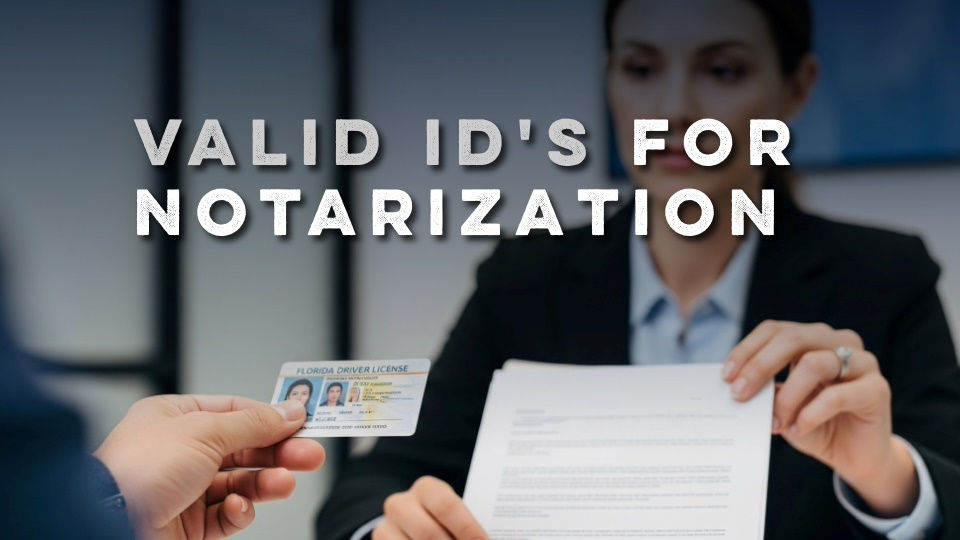
This is perhaps the most frequent reason for refusal. A notary's primary duty is to verify the identity of the person signing the document. Without proper identification, they cannot proceed, as this is a crucial safeguard against fraud.
What You Need: According to Florida law, acceptable identification typically includes:

A state-issued driver's license or identification card.
A U.S. passport.
A foreign passport stamped by U.S. Citizenship and Immigration Services.
A U.S. military identification card.
An alien registration card or permanent resident card.
🗝️ How to Avoid Refusal: Always bring a valid, unexpired government-issued photo ID that includes your signature. Make sure it's current and legible.
2. The Signer Appears Confused, Unwilling, or Incapable

A notary must ensure that the signer understands what they are signing and is acting voluntarily. If a signer appears confused, disoriented, or is being coerced, the notary must refuse service. They need to be confident that the signer is of sound mind and willingly executing the document.
🗝️ How to Avoid Refusal: Come prepared to confirm your understanding of the document and your willingness to sign it. If you have questions about the document's content, resolve them before your notarization appointment.
3. Incomplete or Blank Documents

Notaries are not permitted to notarize a document that is incomplete or contains blank spaces that are intended to be filled in. This is to prevent unauthorized additions or alterations after the notarization, which could lead to fraud.
🗝️ How to Avoid Refusal: Completely fill out all sections of your document before meeting with the notary. Only leave the signature lines blank, as those must be signed in the notary's presence.
4. Notary's Disinterest or Conflict of Interest

Florida law requires notaries to be impartial witnesses. This means they cannot notarize a document if they have a financial or beneficial interest in the transaction, or if the signer is an immediate family member (spouse, child, parent). As stated by the Florida Department of State, a notary public may not notarize a signature on a document if the person whose signature is to be notarized is the spouse, son, daughter, mother, or father of the notary public.
🗝️ How to Avoid Refusal: Understand that a notary's impartiality is non-negotiable. If you know a notary personally through an immediate family connection, seek another notary.
5. Signer Not Physically Present

With very few exceptions (like Remote Online Notarization, which requires specific technological setups and authorization), a notary must witness the signer physically sign the document. If you are not physically present before the notary, they cannot perform the notarial act.
🗝️ How to Avoid Refusal: Always plan to appear in person before the notary with your document and ID. If you require Remote Online Notarization, ensure the notary is authorized and equipped to perform it and follow all their specific instructions.
6. The Document Appears to Be Fraudulent or Illegal

While notaries are not legal experts, they are trained to recognize red flags. If a document appears suspicious, tampered with, or involves an illegal act, a notary has the right, and often the obligation, to refuse service to protect the public and themselves from complicity in fraud. According to flnotary.com, a notary is not obligated to notarize every document presented, especially if it appears fraudulent.
🗝️ How to Avoid Refusal: Ensure your documents are legitimate and in proper order. If you have any concerns about the document's legality, consult with an attorney beforehand.
⭐ Preparation to Avoid a Notary to Refuse Service
To ensure your notarization in Orlando goes off without a hitch:
✔️ Double-check your ID: Make sure it's valid, current, and has your signature.
✔️ Complete your document: Fill in all necessary information before your appointment.
✔️ Understand your document: Be prepared to affirm your understanding and willingness to sign.
✔️ Communicate: If you have any specific needs or questions, call ahead to the notary service.
By taking these proactive steps, you can help your Orlando notary perform their duties efficiently and ensure your important documents are processed correctly and legally.
Notaries play a vital role in preventing fraud and ensuring the integrity of important documents. Their refusal to notarize is rarely personal; it's almost always a matter of adhering to strict legal and ethical guidelines set forth by Florida law. By understanding these common reasons for refusal and coming prepared, you can ensure a seamless and stress-free notarization experience in Orlando. Your preparation helps the notary fulfill their duties correctly, protecting all parties involved.

Comments